Los Viajes de Jham
Los Viajes de Jham
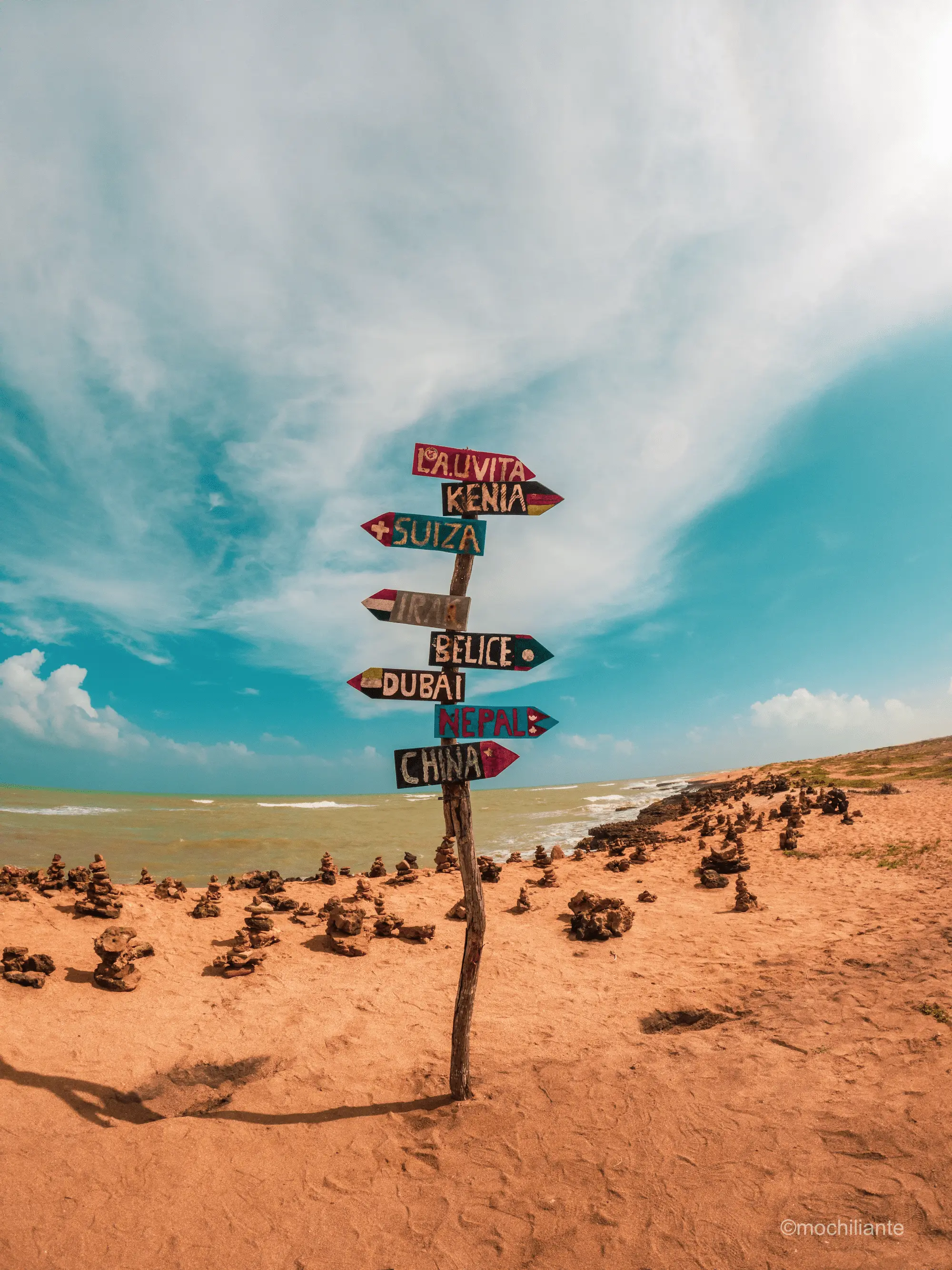
La Guajira combines desert and sea with a vibrant Wayuu culture. In this practical guide, we will help you plan your trip: how to get there, where to stay, what to see, and tips for safe travel.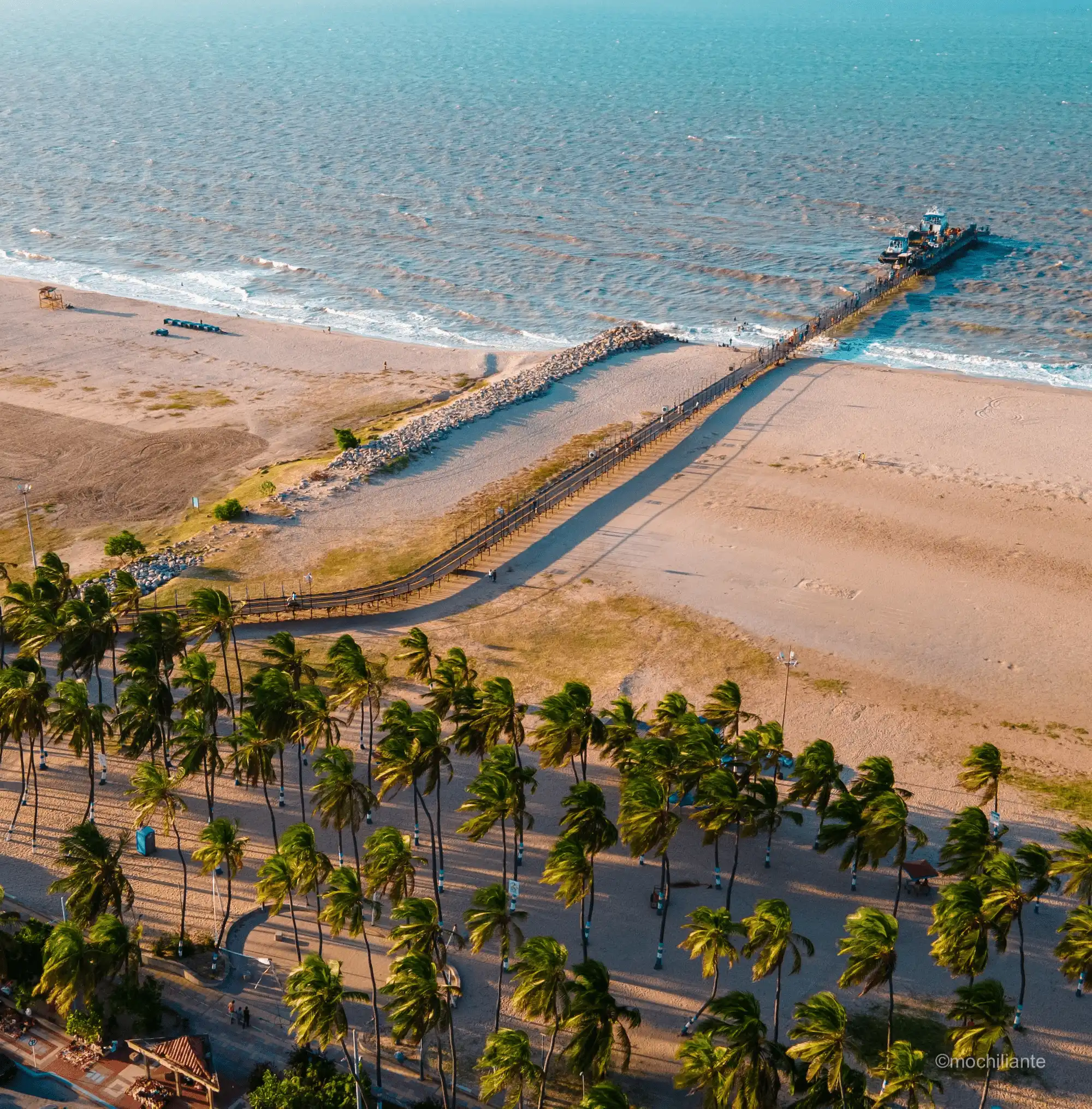
La Guajira borders the Caribbean Sea to the north and east and Venezuela; to the south with Cesar and to the west with Magdalena. It covers about 20,848 km², nearly 1.8% of Colombian territory.
Fact: It is home to the Wayuu people, whose culture is central to the region.
By plane: The nearest airport is in Riohacha. From there, there is ground transportation to the main destinations.
By land: Buses from nearby cities like Santa Marta (50,000 COP) or Barranquilla (~80,000 COP).
From abroad: Fly to a nearby international airport (e.g., Cartagena) and connect by bus to Riohacha (approx. 100,000 COP).
Tip: If arriving from abroad, exchange currency in larger cities (Cartagena, Barranquilla); in La Guajira, exchange houses are limited.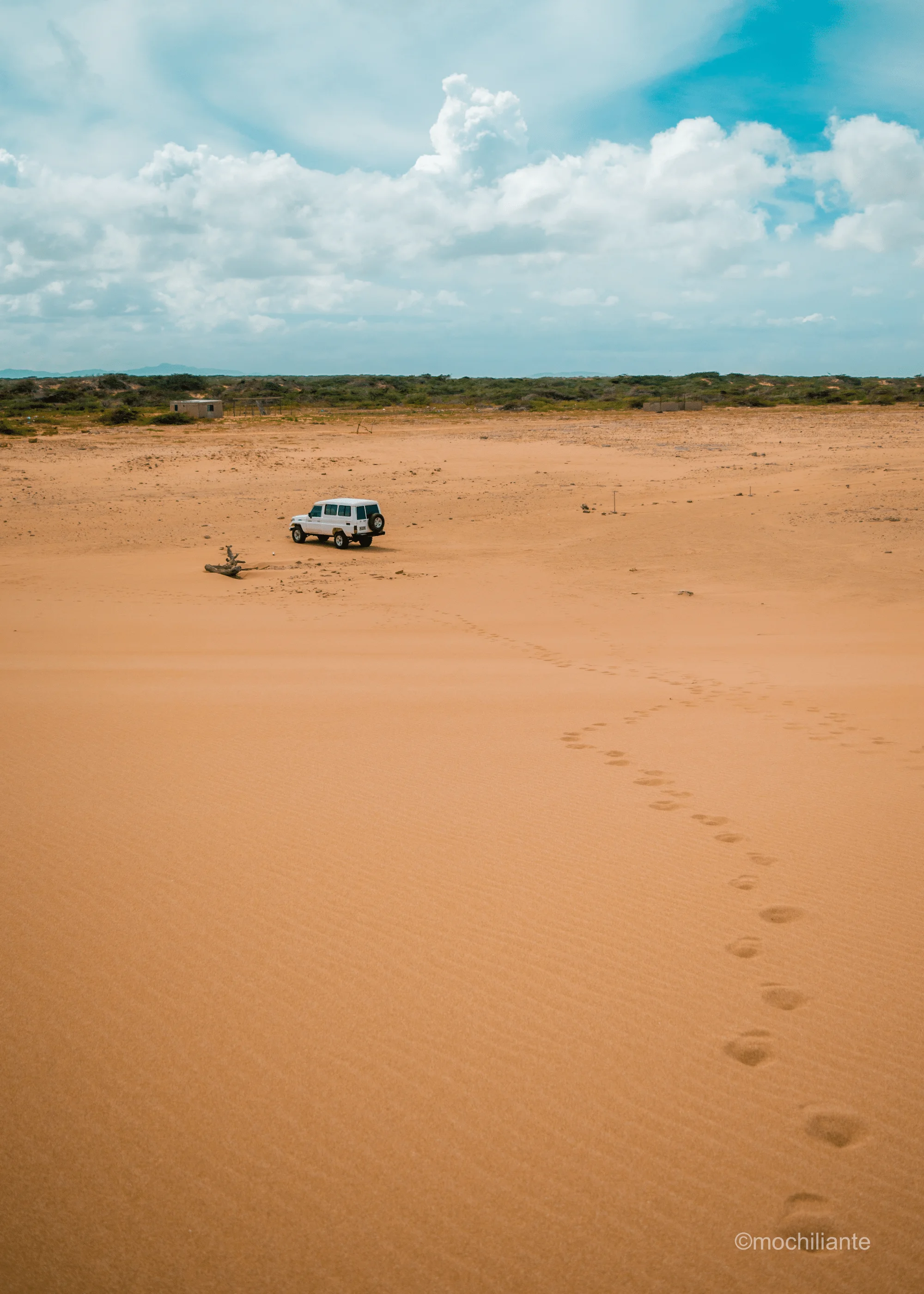
🏨 Exclusive discounts on Booking
With Los Viajes de Jham, get 15% off selected accommodations. 👉 View discounted accommodations
Options for all tastes: hotels in the city, eco-lodges, and Wayuu rancherías. Book in advance during high season.
Guajira House: 8 minutes walk from the beach, with a pool, garden, air conditioning, and free Wi-Fi. Click to see prices and book.
Staying in a ranchería allows you to experience Wayuu culture directly: traditional accommodation, local food, and contact with the community.
El Viejo Moi Hospedaje & Restaurante — Cabo de la Vela. Garden, terrace, and restaurant; ideal for getting to know the area and the community. Click here to see prices and book
Hotel Sukuua Kai Cabo de la Vela: Offers accommodation with garden, restaurant, private beach, and free parking.
It has room service, 24-hour reception, and tour organization. Click here to see prices and book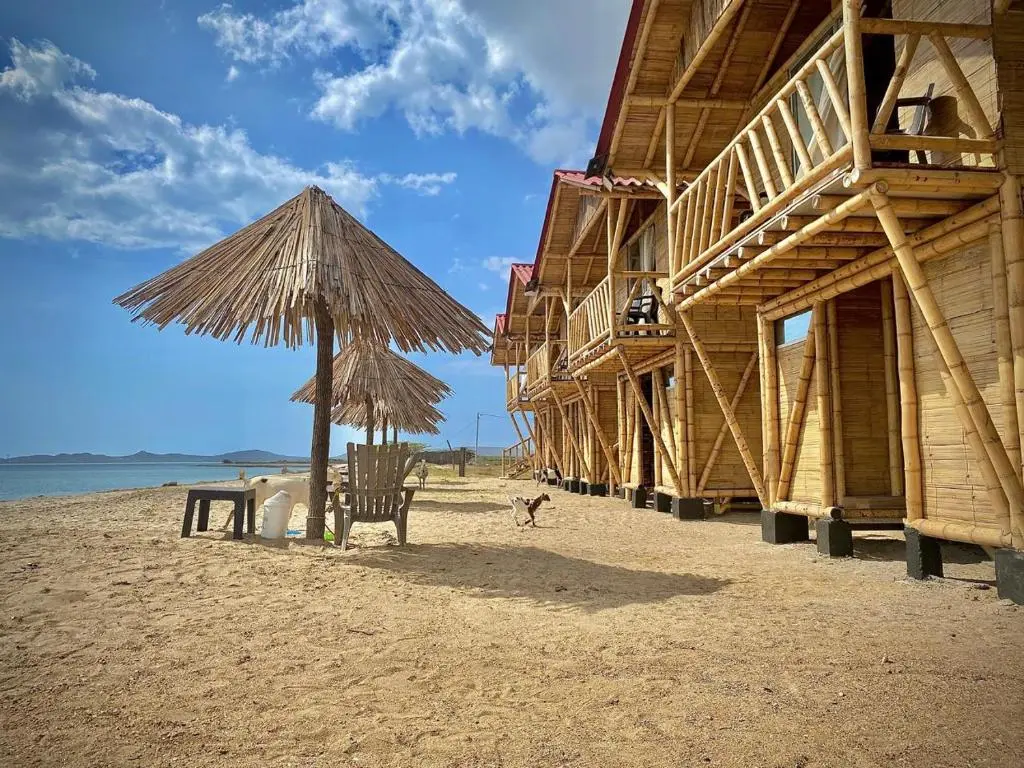
🏨 Exclusive discounts on Booking
With Los Viajes de Jham, get 15% off selected accommodations. 👉 View discounted accommodations
Must-do activities: nature, culture, and unique landscapes.
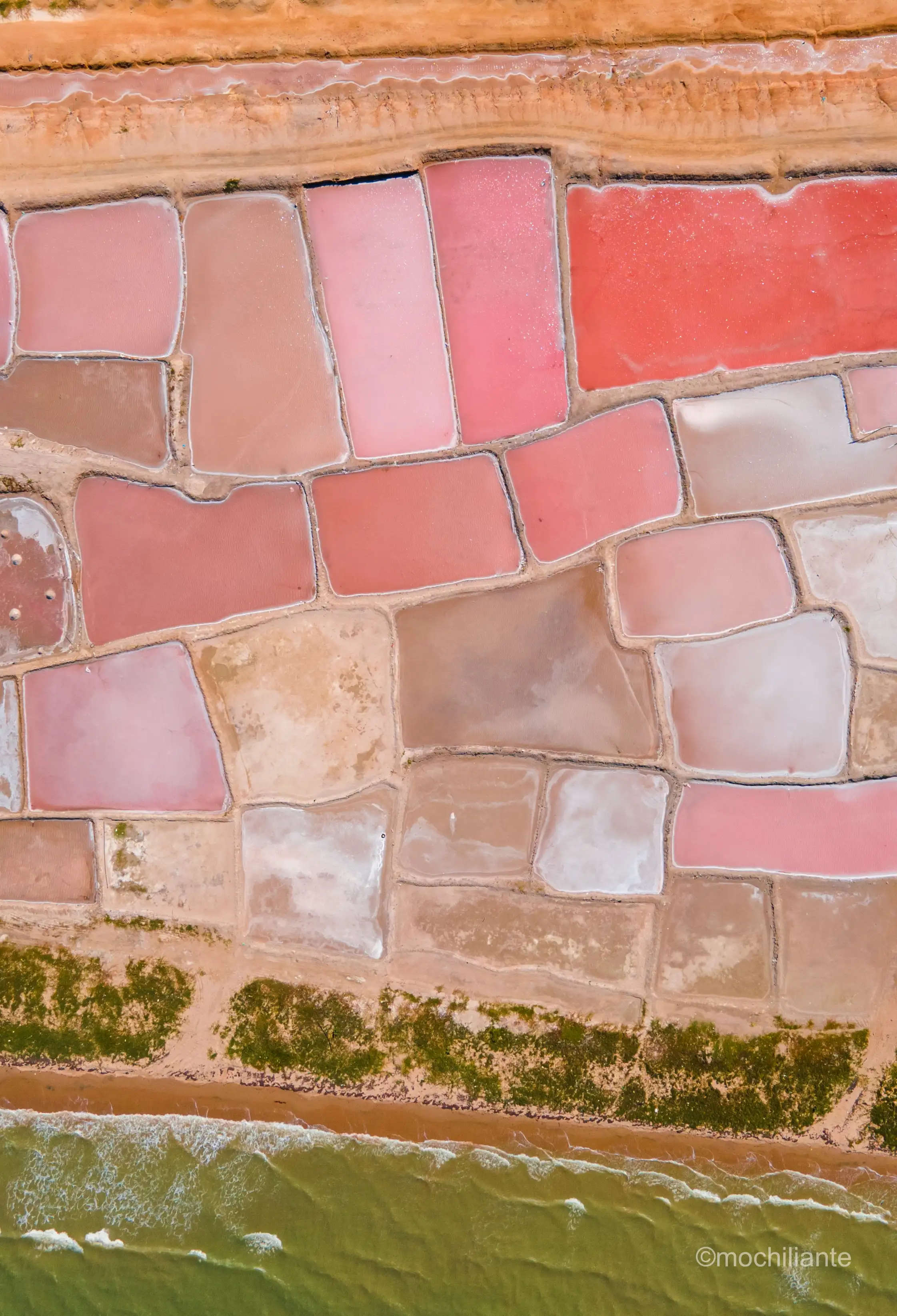
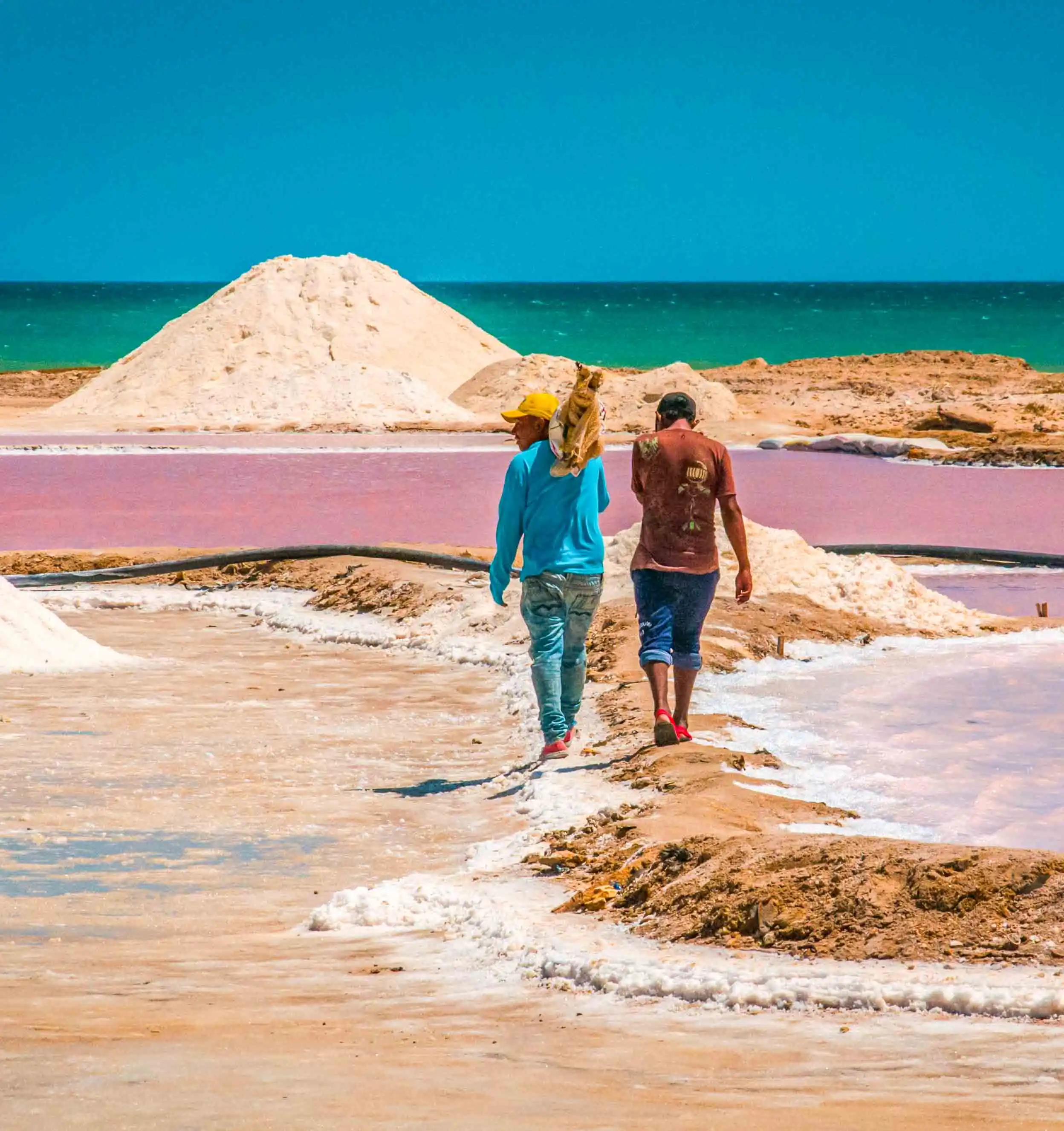
Salinas de Manaure — salt landscapes and birds. Ideal for those who love photography and nature.
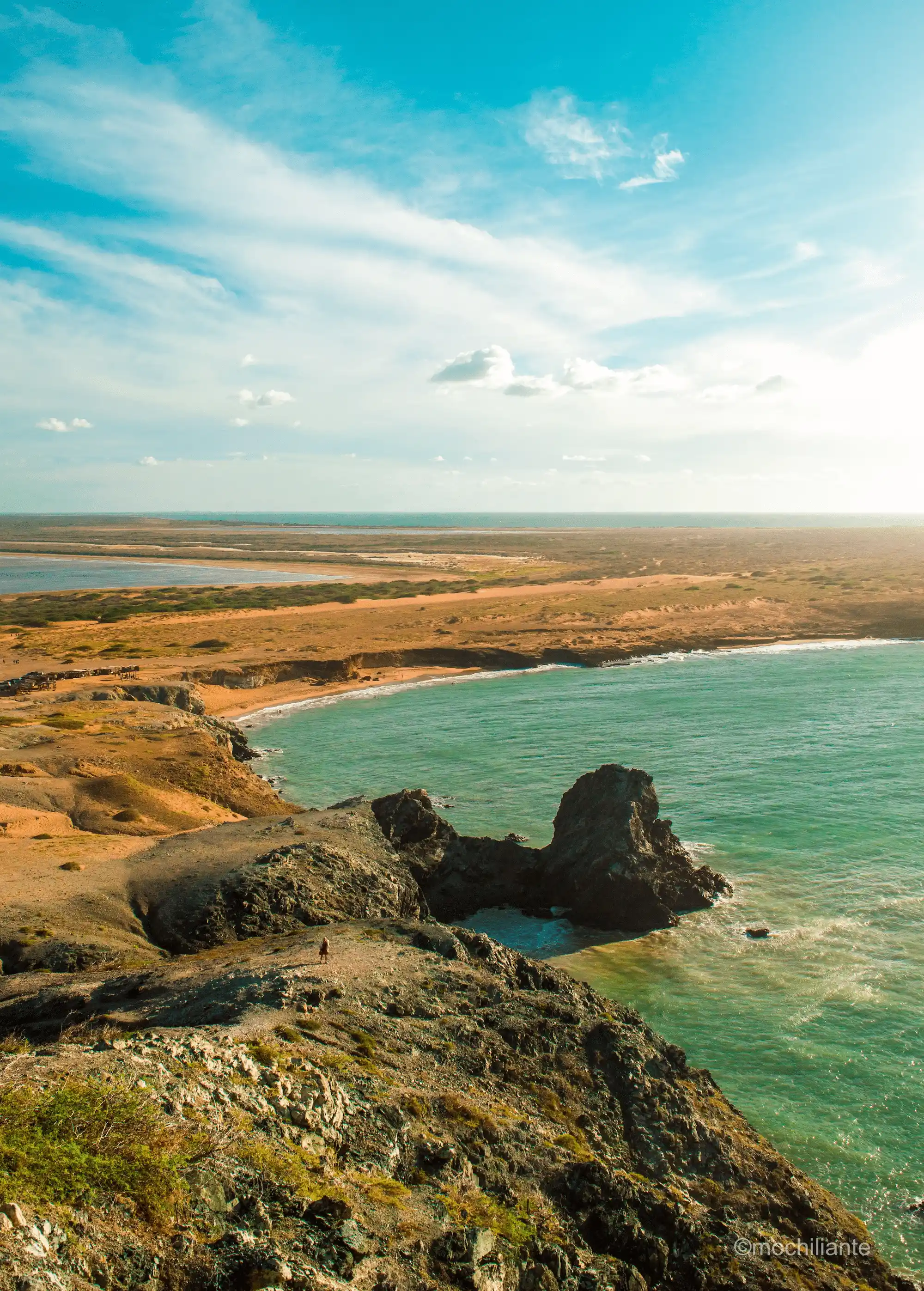
Cabo de la Vela — calm beaches and memorable sunsets; a great place to relax and connect with local culture.
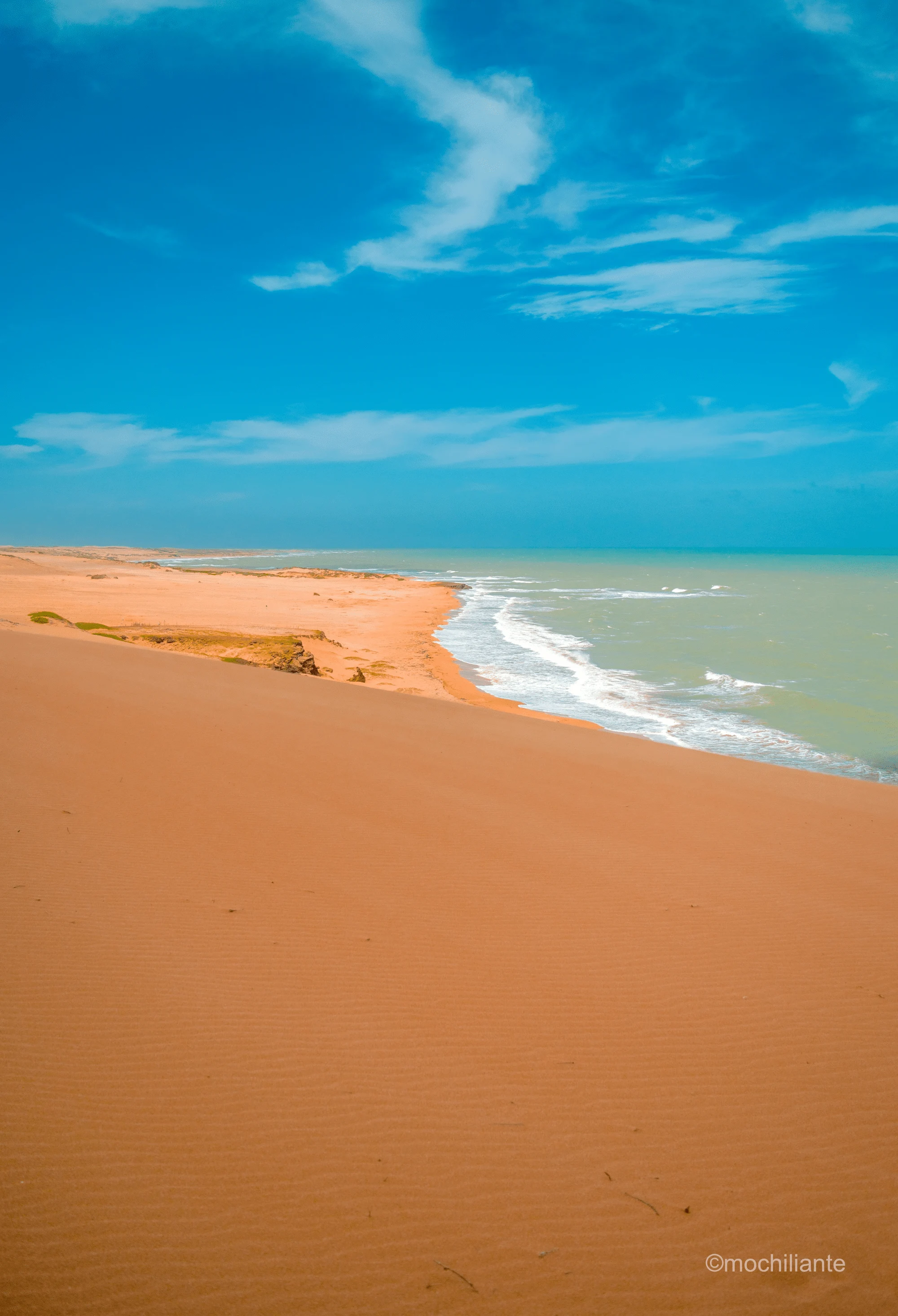
Punta Gallinas — the northernmost point of South America: Taroa dunes, lighthouse, and Hondita Bay. Bring water and sunscreen.
Cultural interaction — meet Wayuu women and their crafts; buy directly to support the community.
.webp "manaure, guajira")
Photo by: Jhonny Salas
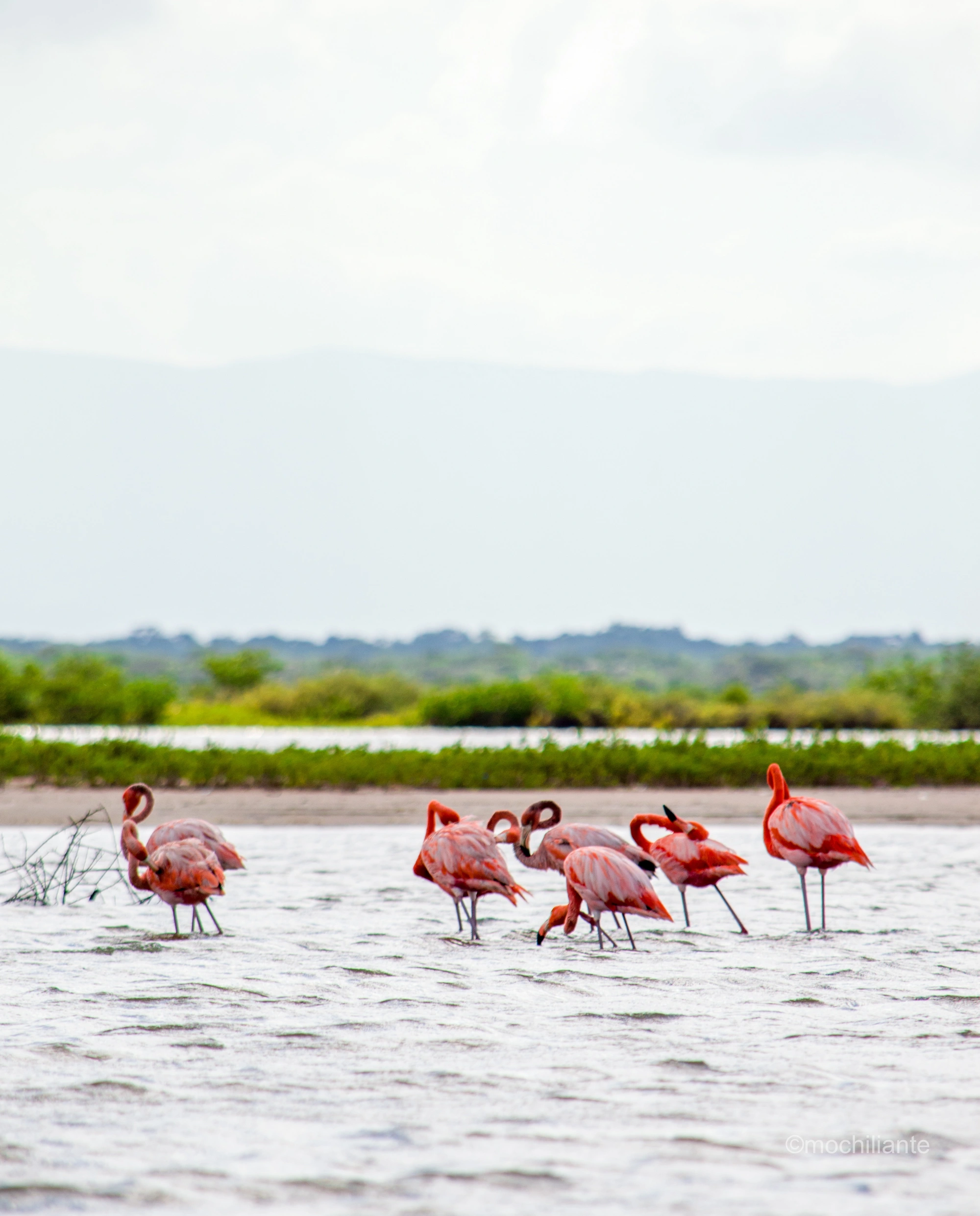
Los Flamencos Sanctuary — birdwatching, especially pink flamingos, and extensive salt flats.
Festivities — highlights include the Francisco el Hombre Festival in Riohacha, focused on vallenato music and regional culture.
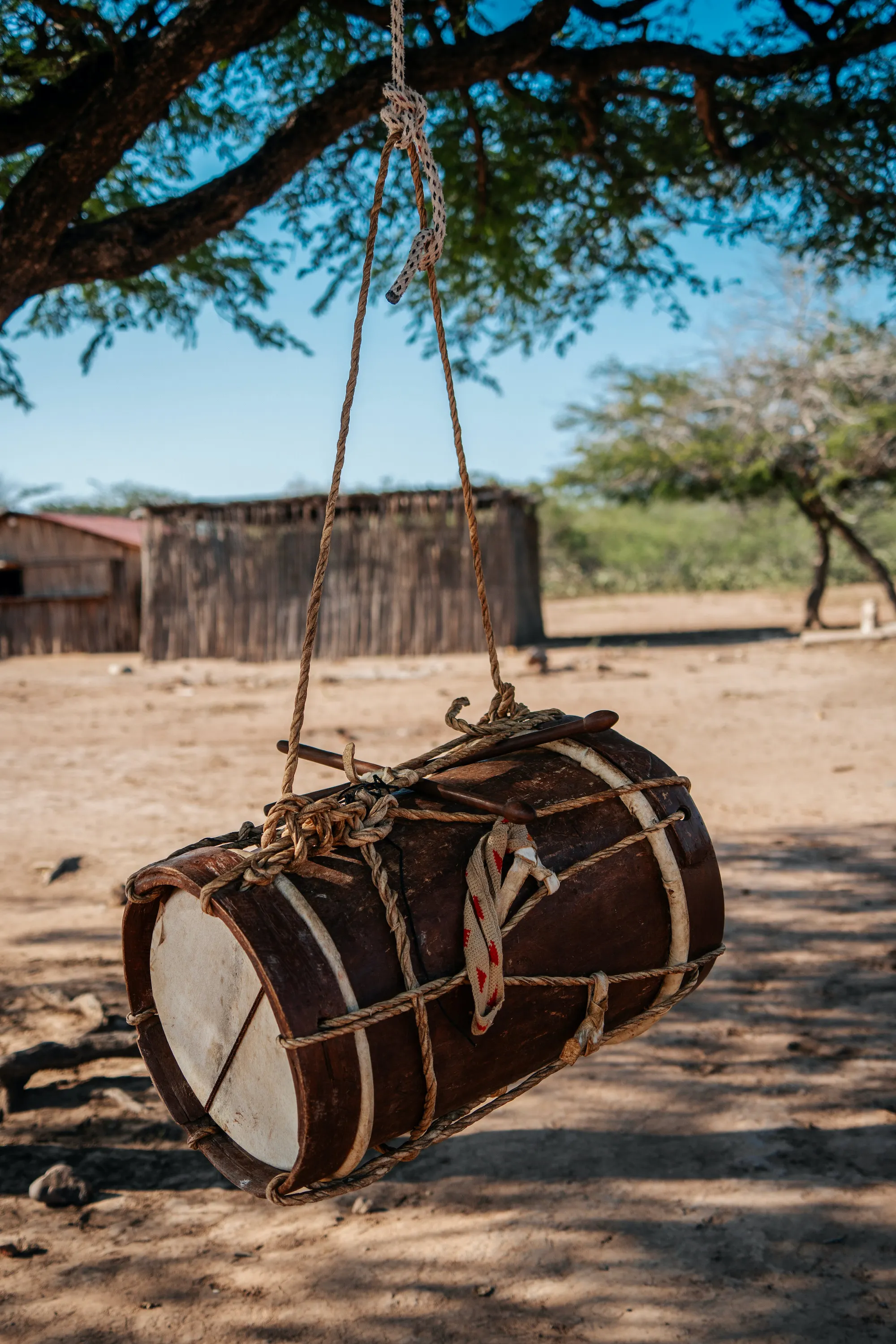
Photo by: Jhonny Salas
La Guajira has been ancestral Wayuu territory; it resisted colonization and preserved its traditions. Today, urban areas like Riohacha coexist with communities that maintain ancestral customs.
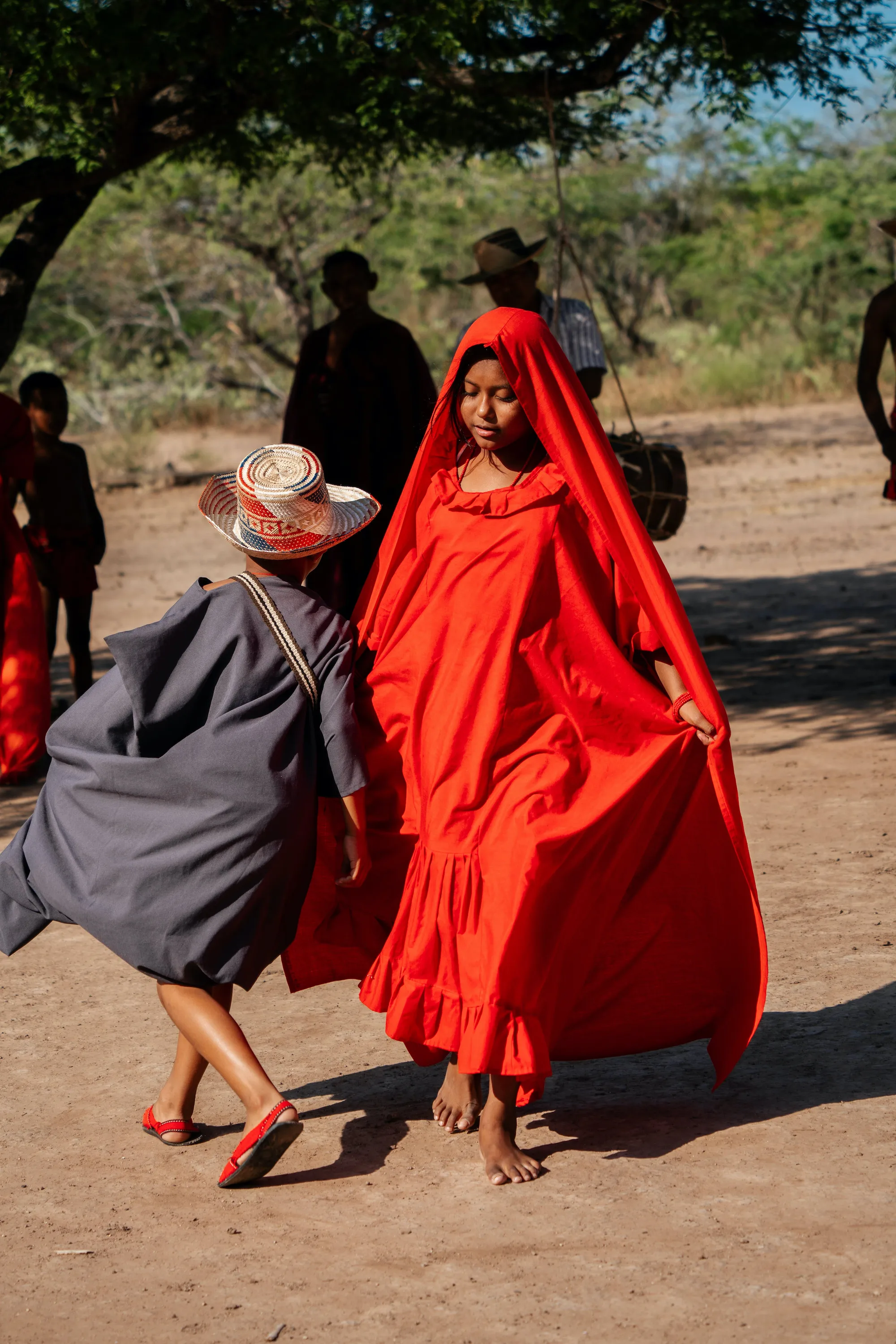
Photo by: Jhonny Salas
Sun protection: sunscreen, hat, and sunglasses.
Hydration: bring enough water for desert excursions.
Cultural respect: ask before photographing and buy local crafts.
Transport: roads in remote areas may require 4x4 or local guides.
Is it safe to travel with children? Yes. Protect children from the sun and keep enough water.
Can I travel with pets? Yes, but avoid the hours of strong sun and bring extra water.
Best time to visit? Dry season (December to April) for clear skies.
What clothes to bring? Light clothing, light colors, and closed shoes for the desert.
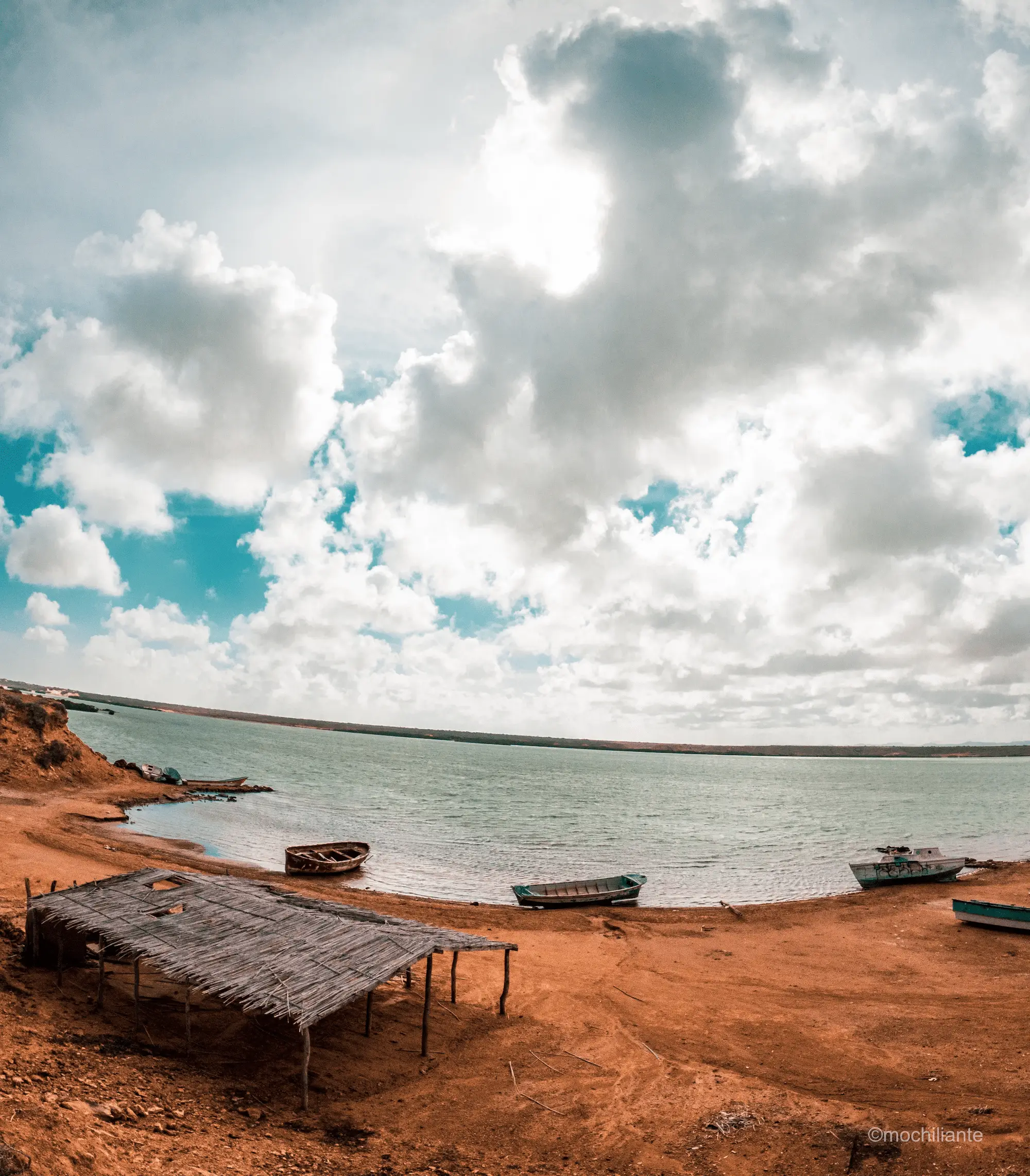
Visiting La Guajira is an experience that connects nature, culture, and history. Book in advance to secure accommodation and transportation. Follow me on Instagram: @losviajesdejham
🏨 Exclusive discounts on Booking
With Los Viajes de Jham, get 15% off selected accommodations. 👉 View discounted accommodations
 EN
EN  ES
ES  FR
FR  DE
DE  PT
PT  IT
IT